Showing posts with label Skin Care. Show all posts
Viable Home Remedies for Ringworm

Viable Home Remedies for Ringworm


Ringworm is an exceptionally basic contagious contamination of the skin, yet there are various basic home cures that can clear up this disease, including the utilization of garlic separate, tea tree oil, turmeric, aloe vera, coconut oil, salt, papaya and lemongrass tea, among others.

Ringworm on the skin shows up as a red, irritated, round rash, and the hair in the influenced zone may drop out. Visual investigation from a specialist can for the most part analyze the condition, or a basic skin scratching and examination.

You can maintain a strategic distance from this contagious disease by limiting your introduction to the sweat or skin of others, or your presentation to places where other individuals' skin may have contacted. For instance, strolling in a washroom or shower with uncovered feet is a brilliant method to contract ringworm, as is having interminably wet or clammy skin, which happens to some full-time competitors. While there are anti-fungal creams and steroids that can be taken to counter this infection, many people prefer a more natural approach, which is why these handy home remedies for ringworm are so important.

Home Remedies for Ringworm


Garlic Extract


One of the most powerful remedies for bacterial, viral or fungal infections is garlic, due to its wide range of antioxidants and other organic compounds that make the environment of the skin or gut intolerable for these pathogens. For the treatment of ringworm, you can apply garlic extract to the affected area and see very rapid results, making this one of the most popular home remedies for the condition.


Tea Tree Oil


When it comes to eliminating fungal infections, the native-to-Australia tea tree oil is hard to beat. Aside from its ability to speed healing and stimulate the healthy skin, it can also eliminate the underlying fungal infection when used regularly for a period of weeks . However, tea tree oil is extremely powerful, so always dilute it with approximately 50% water or carrier oil, or else it can cause skin irritation.


Salt Treatment


Salt may seem like a basic remedy, but for ringworm, it is extremely effective. Salt dries out the skin and given that wet, damp areas are ideal for ringworm to take hold and spread, applying salt, which has astringent properties, is excellent for disinfecting the area. It can also speed healing and reduce the inflammation of the affected skin by sucking out the moisture.


Aloe Vera


Known for its potent anti-inflammatory and immune-system-boosting properties, aloe vera is an excellent candidate if you are suffering from ringworm and want a quick way to eliminate it . Aloe vera also has direct antifungal abilities for a wide variety of potential pathogens, and the saponins in the concentrated gel are excellent for relieving pain and discomfort associated with this condition. You can apply the gel directly to the affected area for best results.


Coconut Oil


Coconut oil is praised for its ability to improve health in many different ways, and it is closely associated with the health and wellness of the hair and scalp. For those people, particularly children, who contract ringworm on the scalp, you can apply coconut oil directly on the hair and head and leave it in overnight. The natural antifungal and rejuvenating properties of coconut oil will work quickly to relieve the itching and infection.


Lemongrass Tea


While most of these remedies are topical applications, there is some good that you can do with the things you eat. Lemongrass tea, for example, is an excellent booster for the immune system, particularly when it comes to fungal infections throughout the body. However, you can also allow the tea to cool and apply it directly to the affected skin area for a doubled effect!


Papaya


This fruit holds a number of impressive compounds and benefits that many people overlook, particularly papain, the active ingredient. This compound is very helpful at sloughing off  dead or outer skin cells, which is where ringworm typically lives and infects. By clearing these out and encouraging new, healthy cells to replace them, ringworm can be easily handled. The enzymes present in papaya can break down viral and fungal defenses, while also reducing inflammation, pain, and irritation.


Lavender Oil


If you thought the smell of lavender was soothing, wait until you experience the topical effects of the essential oil. For the treatment of ringworm, lavender essential oil can be applied to the skin, which will not only kill the fungal infection in its tracks but also prevent other infections from taking hold during the healing process. Lavender oil is extremely powerful, so only a small amount is required to enjoy these health benefits.


Olive Leaf Extract


This somewhat unusual herbal remedy is praised because of its obvious antifungal properties and effects on the immune system. You can apply this extract numerous times each day and the effect on this fungal infection will be obvious within 1-2 weeks.


Turmeric


As one of the most powerful antioxidant, antibacterial and antifungal substances available to us in our diet, turmeric and its active ingredient, curcumin, were sure to make this list. More specifically, people choose to use the even more concentrated form of turmeric oil to treat this condition . This oil will reduce the inflammation on the skin, while also quickly eliminating the underlying infection.


Mustard Seed


Mustard seeds may be tiny, but they’re also mighty when it comes to battling certain skin infections. You can soak the seeds overnight and then mash them into a paste in the morning. Applying this paste to the affected area can quickly clear out the infection and get your skin back to normal!

Benefits of Quail Eggs You Need to Know

Benefits of Quail Eggs You Need to Know

The most important health benefits of quail eggs include their ability to improve vision, boost energy levels, stimulate growth and repair, improve metabolism, reduce blood pressure, soothe allergies, cleanse the body, and prevent chronic diseases.

Quail are mid-sized birds found in Europe, North Africa, the southern United States, and some parts of Asia. Quail eggs are notably smaller than duck and chicken eggs and are widely consumed and sold as novelty foods around the world. They are popular in Japanese bento boxes and are typically eaten 3-5 at a time, due to their smaller size. Apart from being considered “cute” in many cultures, they are also packed with nutrients that make them a delicious and healthy option to add to your diet.


Despite the prevalence of quail in the United States, consumption of quail eggs is dominated by the Asian market, where they are commonly hawked as inexpensive street food, but the rich, flavorful yolk has increased the demand for these eggs in many culinary preparations. They have a higher yolk-to-white ratio than normal eggs, which can make them potentially dangerous for people with elevated cholesterol, but generally, quail eggs are considered very healthy.quaileggs

Health Benefits of Quail Eggs


Quail eggs are a hoarder of many nutrients and are, therefore, a safe option to include in your diet. Let’s take a closer look at their health benefits.


Improve Vision


There is an impressively high level  of vitamin A found in quail eggs, which means that it helps protect vision. The antioxidant activity of vitamin A can help reduce macular degeneration and prevent the development of cataracts, helping you see better.


Balance Cholesterol Levels


There are a good amount of beneficial fatty acids found in quail eggs that many people enjoy, due to their heart-boosting effects. HDL or good cholesterol is the “good” form of cholesterol that our body needs to offset the negative effects of LDL or bad cholesterol, and HDL makes up more than 60% of the fat in quail eggs. However, for people with pre-existing cholesterol problems, adding large quantities of these eggs to your diet might not be the best choice, as there are roughly 1.6 grams of saturated fat in each serving.


Stimulate Growth


Just like regular chicken eggs, quail eggs provide protein to the diet, which we need for countless processes in our body. Proteins are broken down into their constituent [4] components and reformed for new cells, tissue, muscle, bone, and blood vessels. The protein punch of these eggs can ensure a healthy and normal growth of the body.


Reduce Blood Pressure


The presence of potassium, in quail eggs, shows blood pressure-reducing abilities [5], as this mineral acts as a vasodilator, which helps in relieving strain and stress on the arteries and blood vessels. There is comparatively more potassium in quail eggs than in chicken eggs.


Cleanse the Body


Detoxifying the body is important, particularly in today’s atmosphere, which is filled with toxins, pollutants, and heavy metals. Studies have shown that adding these eggs to your diet can help eliminate toxins from the bloodstream, as they help to reduce the size of bladder and kidney stones.


Prevent Chronic Disease


Antioxidants are crucial components of human health, as we are constantly battling free radicals that cause chronic disease and cancer. Quail eggs possess significant levels of vitamin C and vitamin A, which can help neutralize free radicals and protect your overall health.


Treat Allergies


Quail eggs are high in ovomucoid protein, which acts in the body as a natural anti-allergenic. Therefore, if you are suffering from congestion, inflammation or other symptoms of allergic reactions, quail eggs can get your body back to normal.


Boost Metabolism


Vitamin B found in quail eggs results in a boosted metabolic activity throughout the body, including hormonal and enzymatic function. By ensuring smooth bodily processes and organ functions, quail eggs can be far more than a delicious treat.


Raise Energy Levels


The minerals and micronutrients found in these tiny eggs, as well as the protein boost of nearly 6 grams per serving, makes these eggs particularly good for an early morning surge of energy and mood. A high-protein, nutrient-dense breakfast is highly recommended for those who often feel dependent on caffeine or other stimulants to regulate their energy levels.

Effective Ways for Burnt Skin Treatment

Effective Ways for Burnt Skin Treatment


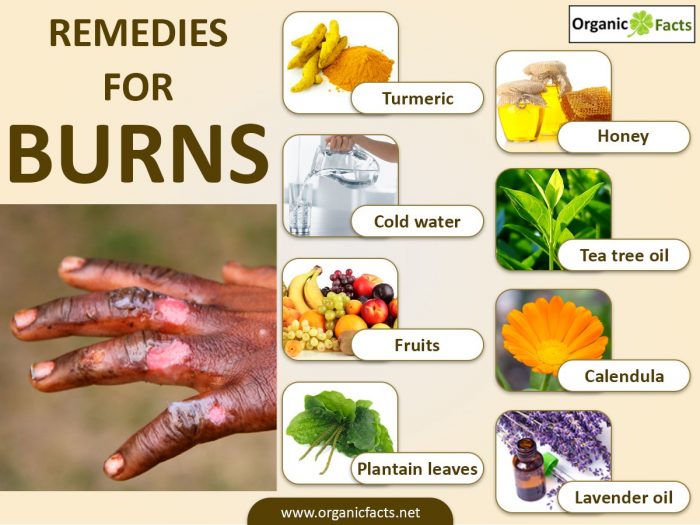
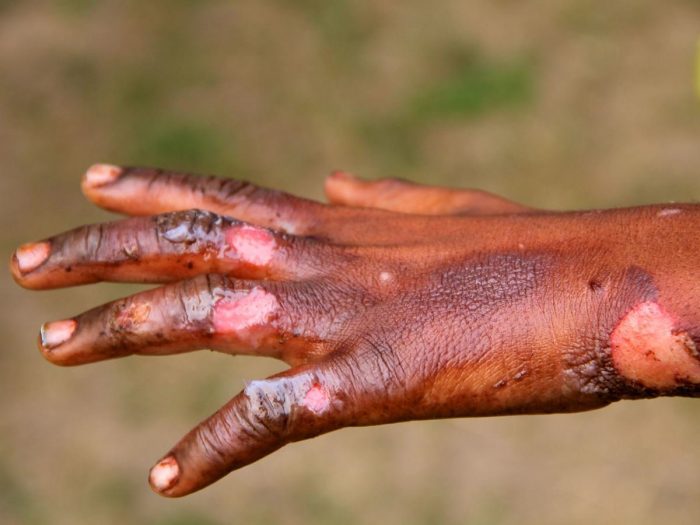
The best home remedies for burns include the use of cold water, honey, fruits, turmeric, tea bags, plantain leaves, calendula, salt, papaya, lavender oil, potato, vinegar, Aloe Vera, and tea tree oil in different forms. Burns refer to a condition that occurs when a part of the body is affected due to thermal, chemical, or electrical effects that heat up the body cells, thereby damaging them.


Burns are categorized into three types, depending on their severity. Simple home remedies may alleviate the effect of burning in a few days in case of first degree burns, but for third-degree burns, medical consultation must be sought immediately.

Home Remedies for Burns


Some of the immediate and long-term treatments through home remedies are explained below.


Cold Water


This is the best way to cool burns. Put the burnt part under running cold water or applying ice on the affected area. This should be continued for up to 10 minutes. One must also drink at least 8-10 glass of water daily until the burn is cured.


Honey


It is medically proven that applying honey to second-degree burns prevents any kind of infection from forming. A few drops of honey are sufficient to prevent infection, as it is highly concentrated and powerful.


Fruits


Fruits are rich in antioxidants. According to the University of Maryland Medical Center [1], fruits must be taken regularly for the early healing of burns. Tomatoes, cherries, and blueberries are good sources of antioxidants. Vegetables like peppers and squash are also antioxidants.


Turmeric


It is good to take turmeric in the form of powder mixed in warm milk at night while sleeping. This is known to cure inflammation and pain.


Tea Bags


Dip tea bags in water and keep them over the burnt surface. This helps in drawing heat from the wound and providing a soothing effect due to the presence of tannins. Otherwise, tea can be boiled in a cup of water and strained. This can then be applied over the burnt area using a clean cloth or cotton.


Plantain Leaves


Plantago, which is otherwise known as ‘Isab Ki Bhusi’, is known to have expectorant properties, as well as antimicrobial and anti-inflammatory effects. These also produce mucilage, which is a source of wetness in the burnt area. Juice from its leaves should be applied on the burnt portion of the body for quick healing and relief.


Calendula


The herb calendula is good for the treatment of burns, as it regenerates the burnt skin and reduces the appearance of scars. It can be regularly applied during the healing process.


Salt


Mouth burns caused due to eating hot food can be relieved by rinsing out your mouth with salted water. This should be done every 2 hours until the pain lessens.


Papaya


Papaya can be applied to the affected area because it contains enzymes that have the ability to remove all the dead cells. The pulp should be applied after 3-4 days of the burn incident after the internal healing process has already started.


Lavender Oil


The oil obtained from lavender is known to be effective for burns. These must be applied with gentle hands a few days after the injury occurred.


burnsinfo

Potatoes


It is observed that the peel of boiled potatoes can be applied over the burnt area in the initial phase of healing. This aids in early recovery and protection from infectious agents. This technique is practiced in many hospitals.


Vinegar


As an antiseptic and astringent, vinegar works well in preventing infections. However, vinegar should be diluted with water and applied over the affected area.


Aloe Vera


The gel obtained from Aloe Vera is well known for its healing properties, analgesic action, and cooling effects. Aloe gel can be applied 2-3 times a day over the burnt area.


Tea Tree Oil


The oil obtained from the tea tree should be diluted with a small amount of water. This is to be applied over the affected area.


It is advised that individuals who have suffered from a third-degree burn should massage the affected area regularly. This increases the blood circulation and nutrient and oxygen supply in the same area so as to recover and regain the lost cells and tissues. Source
What are Allergies

What are Allergies


An allergy is an immune system reaction to an outside substance that is not normally unsafe to your body. These outside substances are called allergens. They can incorporate certain sustenances, dust, or pet dander.

Your immune system's activity is to keep you sound by battling contamination and other destructive pathogens. It does this by assaulting anything it supposes could put your body in threat. Contingent upon the allergen, this reaction may include irritation, sniffling, or a large group of different side effects.

Your immune system typically changes with your environment. For instance, when your body experiences something like pet dander, it ought to understand it's safe. In individuals with dander hypersensitivities, the immune system sees it as an outside intruder undermining the body and assaults it.

Hypersensitivities are normal, and a few medications can enable you to abstain from irritating and troublesome side effects.


Causes and sorts of Allergies


Researchers aren’t exactly sure why the immune system causes an allergic reaction when a normally harmless foreign substance enters the body.

Allergies have a genetic component, meaning that they can be passed down from parent to child. However, only a general susceptibility to allergic reaction is genetic. Specific allergies are not passed down. For instance, if your mother is allergic to shellfish, it doesn’t necessarily mean that you will be too.

According to the American College of Allergy, Asthma & Immunology, common types of allergens include:

  • animal products: pet dander, dust mite waste, cockroaches

  • drugs: penicillin, sulfa drugs

  • foods: wheat, nuts, milk, shellfish, eggs

  • insect stings: bees, wasps, mosquitoes

  • mold: airborne spores from mold

  • plants: pollens from grass, weeds, and trees, as well as resin from plants such as poison ivy and poison oak

  • other: latex, metals


Seasonal allergies, also known as hay fever, are some of the most common allergies. These are caused by pollen released by plants. They cause:

  • itchy eyes

  • watery eyes

  • runny nose

  • coughing


when to see a specialist about allergies


Allergy symptoms can create many complications. Your doctor can help determine the cause of your symptoms as well as the difference between a sensitivity and a full-blown allergy. Your doctor can also teach you how to manage your allergy symptoms.

For food allergies


Food allergies can trigger swelling, hives, nausea, fatigue, and more. It may take a while for a person to realize that they have a food allergy. If you have a serious reaction after a meal and you’re not sure why, see a medical professional immediately. They can find the exact cause of your reaction or refer you to a specialist.

For seasonal allergies


Hay fever symptoms can mimic those of a cold. They include congestion, runny nose, and swollen eyes. Most of the time, you can manage these symptoms at home using over-the-counter treatments. See your doctor if your symptoms become unmanageable.

For severe allergies


Severe allergies can cause anaphylaxis. This is a life-threatening emergency that can lead to breathing difficulties, lightheadedness, and loss of consciousness. If you’re experiencing these symptoms after coming in contact with a possible allergen, seek medical help immediately.


Allergies can be diagnosed in several ways. First, your doctor will ask about your symptoms and perform a physical exam. They’ll also ask about anything unusual you may have eaten recently and any substances you may have come in contact with. For example, if you have a rash on your hands, your doctor may ask if you put on latex gloves recently.

Process of elimination


Food allergies are typically diagnosed through a process of elimination. Your doctor may have you follow an elimination diet. This means you remove certain foods from your diet and then rate your symptoms. Then you slowly add foods back into the diet and record your symptoms in a food diary.

Skin test


Your doctor may also refer you to an allergist for testing and treatment. A skin test is a common type of allergy test carried out by an allergist. During this test, your skin is pricked or scratched with small needles containing potential allergens. Your skin’s reaction is documented. If you’re allergic to a particular substance, your skin will become red and inflamed.

Blood test


Your doctor or allergist may also order a blood test known as a radioallergosorbent test (RAST). Your blood will be tested for the presence of allergy-causing antibodies (cells that react to allergens).


Allergy treatments

The best way to avoid allergies is avoiding whatever triggers the reaction. If that’s not possible, there are treatment options available.

Medication


Allergy treatment often includes medications like antihistamines to control symptoms. The medication can be over-the-counter or prescription, depending on the severity of your allergies.

Allergy medications include:

  • antihistamines

  • corticosteroids

  • cromolyn sodium

  • decongestants

  • leukotriene modifiers


How allergies are analyzed


Immunotherapy


Many people opt for immunotherapy. This involves several injections over the course of a few years to help the body get used to your allergy. Successful immunotherapy can prevent allergy symptoms from returning.

Emergency epinephrine


If you have a severe, life-threatening allergy, you should carry an emergency epinephrine shot. The shot counters allergic reactions until medical help arrives. Common brands of this treatment include EpiPen and Twinject.

Alternatives


There are many natural treatments and supplements marketed to treat allergies, but you should discuss these with your doctor before trying them. Some natural treatments may contain other allergens.


Preventing symptoms


There is no way to prevent allergies. But there are ways to prevent the symptoms from occurring. The best way to prevent allergy symptoms is to avoid the allergens that trigger them.

Avoidance is the most effective way to prevent food allergy symptoms. An elimination diet can help you determine the cause of your allergies so you know how to avoid them. To help you avoid food allergens, thoroughly read food labels and ask questions while dining out.

Preventing seasonal, contact, and other allergies comes down to knowing where the allergens are located and how to avoid them. If you’re allergic to dust, for example, you can help reduce symptoms by installing proper air filters in your home, getting your air ducts professionally cleaned, and dusting your home regularly.

Proper allergy testing can help you pinpoint your exact triggers, which makes them easier to avoid.

Most Common Skin Disorders

Most Common Skin Disorders


Acne


  • Commonly located on the face, neck, shoulders, chest, and upper back

  • Breakouts on the skin composed of blackheads, whiteheads, pimples, or deep, painful cysts and nodules

  • May leave scars or darken the skin if untreated


Cold sore


  • Red, painful, fluid-filled blister that appears near the mouth and lips

  • Affected area will often tingle or burn before the sore is visible

  • Outbreaks may also be accompanied by mild, flu-like symptoms such as low fever, body aches, and swollen lymph nodes


Blister


  • Characterized by watery, clear, fluid-filled area on the skin

  • May be smaller than 1 cm (vesicle) or larger than 1 cm (bulla) and occur alone or in groups

  • Can be found anywhere on the body


Read full article on blisters.


Hives


  • Itchy, raised welts that occur after exposure to an allergen

  • Red, warm, and mildly painful to the touch

  • Can be small, round, and ring-shaped or large and randomly shaped


Read full article on hives.


Actinic keratosis


  • Typically less than 2 cm, or about the size of a pencil eraser

  • Thick, scaly, or crusty skin patch

  • Appears on parts of the body that receive a lot of sun exposure (hands, arms, face, scalp, and neck)

  • Usually pink in color but can have a brown, tan, or gray base


Read full article on actinic keratosis.


Rosacea


By M. Sand, D. Sand, C. Thrandorf, V. Paech, P. Altmeyer, F. G. Bechara [CC BY 2.0 (http://creativecommons.org/licenses/by/2.0)], via Wikimedia Commons


  • Chronic skin disease that goes through cycles of fading and relapse

  • Relapses may be triggered by spicy foods, alcoholic beverages, sunlight, stress, and the intestinal bacteria Helicobacter pylori

  • There are four subtypes of rosacea encompassing a wide variety of symptoms

  • Common symptoms include facial flushing, raised, red bumps, facial redness, skin dryness, and skin sensitivity


Read full article on rosacea.


Carbuncle


  • Red, painful, and irritated lump under your skin

  • May be accompanied by fever, body aches, and fatigue

  • Can cause skin crustiness or oozing


Read full article on carbuncles.


Latex allergy


This condition is considered a medical emergency. Urgent care may be required.

  • Rash may occur within minutes to hours after exposure to a latex product

  • Warm, itchy, red wheals at the site of contact that may take on a dry, crusted appearance with repeated exposure to latex

  • Airborne latex particles may cause cough, runny nose, sneezing, and itchy, watery eyes

  • A severe allergy to latex can cause swelling and difficulty breathing


Read full article on latex allergies.


Eczema


  • Yellow or white scaly patches that flake off

  • Affected areas may be red, itchy, greasy, or oily

  • Hair loss may occur in the area with the rash


Read full article on eczema.


Psoriasis


MediaJet/Wikimedia Commons


  • Scaly, silvery, sharply defined skin patches

  • Commonly located on the scalp, elbows, knees, and lower back

  • May be itchy or asymptomatic


Cellulitis


This condition is considered a medical emergency. Urgent care may be required.

  • Caused by bacteria or fungi entering through a crack or cut in the skin

  • Red, painful, swollen skin with or without oozing that spreads quickly

  • Hot and tender to the touch

  • Fever, chills, and red streaking from the rash might be a sign of serious infection requiring medical attention


Measles


Content Providers(s): CDC/Dr. Heinz F. Eichenwald [Public domain], via Wikimedia Commons


  • Symptoms include fever, sore throat, red, watery eyes, loss of appetite, cough, and runny nose

  • Red rash spreads from the face down the body three to five days after first symptoms appear

  • Tiny red spots with blue-white centers appear inside the mouth


Basal cell carcinoma


  • Raised, firm, and pale areas that may resemble a scar

  • Dome-like, pink or red, shiny, and pearly areas that may have a sunk-in center, like a crater

  • Visible blood vessels on the growth

  • Easy bleeding or oozing wound that doesn't seem to heal, or heals and then reappears


Squamous cell carcinoma


  • Often occurs in areas exposed to UV radiation, such as the face, ears, and back of the hands

  • Scaly, reddish patch of skin progresses to a raised bump that continues to grow

  • Growth that bleeds easily and doesn't heal, or heals and then reappears


Melanoma


  • The most serious form of skin cancer, more common in fair-skinned people

  • Mole anywhere on the body that has irregularly shaped edges, asymmetrical shape, and multiple colors

  • Mole that has changed color or gotten bigger over time

  • Usually larger than a pencil eraser


Lupus


By Doktorinternet (Own work) [CC BY-SA 4.0 (https://creativecommons.org/licenses/by-sa/4.0)], via Wikimedia Commons


  • Symptoms include fatigue, headaches, fever, and swollen or painful joints

  • Scaly, disc-shaped rash that doesn’t itch or hurt

  • Scaly red patches or ring shapes most commonly located on the shoulders, forearms, neck, and upper torso that worsen with exposure to sunlight

  • Warm, red rash that spreads across the cheeks and bridge of the nose like butterfly wings and worsens in the sun


Contact dermatitis


  • Appears hours to days after contact with an allergen

  • Rash has visible borders and appears where your skin touched the irritating substance

  • Skin is itchy, red, scaly, or raw

  • Blisters that weep, ooze, or become crusty


Vitiligo


  • Loss of pigment in the skin due to autoimmune destruction of the cells that give skin its color

  • Focal pattern: loss of skin color in only a few small areas that may merge together

  • Segmental pattern: depigmentation on one side of the body

  • Premature graying of scalp and/or facial hair


Wart


Dermnet


  • Caused by many different types of a virus called human papillomavirus (HPV)

  • May be found on the skin or mucous membranes

  • May occur singly or in groups

  • Contagious and may be passed to others


Chickenpox


  • Clusters of itchy, red, fluid-filled blisters in various stages of healing all over the body

  • Rash is accompanied by fever, body aches, sore throat, and loss of appetite

  • Remains contagious until all blisters have crusted over


Seborrheic eczema


  • Yellow or white scaly patches that flake off

  • Affected areas may be red, itchy, greasy, or oily

  • Hair loss may occur in the area with the rash


Keratosis pilaris


  • Common skin condition most often seen on the arms and legs, but might also occur on the face, buttocks, and trunk

  • Often clears up on its own by age 30

  • Patches of skin that appear bumpy, slightly red, and feel rough

  • May get worse in dry weather


Ringworm


James Heilman/Wikimedia Commons


  • Circular-shaped scaly rashes with raised border

  • Skin in the middle of the ring appears clear and healthy, and the edges of the ring may spread outward

  • Itchy


Melasma


  • Common skin condition that causes dark patches to appear on the face and, rarely, the neck, chest, or arms

  • More common in pregnant women (chloasma) and individuals with darker skin color and heavy sun exposure

  • No other symptoms beyond skin discoloration

  • May go away on its own within a year or may become permanent


Read full article on melasma.


Impetigo


  • Common in babies and children

  • Rash is often located in the area around the mouth, chin, and nose

  • Irritating rash and fluid-filled blisters that pop easily and form a honey-colored crust


Read full article on impetigo.


Temporary skin disorders

Many temporary skin conditions exist, including contact dermatitis and keratosis pilaris.

Contact dermatitis


Contact dermatitis is one of the most common occupational illnesses. The condition is often the result of contact with chemicals or other irritating materials. These substances can trigger a reaction that causes the skin to become itchy, red, and inflamed. Most cases of contact dermatitis aren’t severe, but they can be rather itchy. Topical creams and avoiding the irritant are typical treatments.

Keratosis pilaris


Keratosis pilaris is a minor condition that causes small, rough bumps on the skin. These bumps usually form on the upper arms, thighs, or cheeks. They’re typically red or white and don’t hurt or itch. Treatment isn’t necessary, but medicated creams can improve skin appearance.


Permanent skin disorders

Some chronic skin conditions are present from birth, while others appear suddenly later in life.

The cause of these disorders isn’t always known. Many permanent skin disorders have effective treatments that enable extended periods of remission. However, they’re incurable, and symptoms can reappear at any time. Examples of chronic skin conditions include:

  • rosacea, which is characterized by small, red, pus-filled bumps on the face

  • psoriasis, which causes scaly, itchy, and dry patches

  • vitiligo, which results in large, irregular patches of skin


Skin disorders in children

Skin disorders are common in children. Children can experience many of the same skin conditions as adults. Infants and toddlers are also at risk for diaper-related skin problems. Since children have more frequent exposure to other children and germs, they may also develop skin disorders that rarely occur in adults. Many childhood skin problems disappear with age, but children can also inherit permanent skin disorders. In most cases, doctors can treat childhood skin disorders with topical creams, medicated lotions, or condition-specific drugs.

Common childhood skin disorders include:


 Symptoms of skin disorders

Skin conditions have a wide range of symptoms. Symptoms on your skin that appear due to common problems aren’t always the result of a skin disorder. Such symptoms can include blisters from new shoes or chafing from tight pants. However, skin problems that have no obvious cause may indicate the presence of an actual skin condition that requires treatment.

Skin irregularities that are typically symptoms of a skin disorder include:


Causes of skin disorders

Common known causes of skin disorders include:

  • bacteria trapped in skin pores and hair follicles

  • fungus, parasites, or microorganisms living on the skin

  • viruses

  • a weakened immune system

  • contact with allergens, irritants, or another person’s infected skin

  • genetic factors

  • illnesses affecting the thyroid, immune system, kidneys, and other body systems


Numerous health conditions and lifestyle factors can also lead to the development of certain skin disorders. Some skin conditions have no known cause.

Inflammatory bowel disease


Inflammatory bowel disease is a term for a group of intestinal disorders that cause prolonged inflammation of the digestive tract. These bowel-related disorders often cause skin problems. The drugs used to treat these diseases can cause certain skin conditions, such as:

Diabetes


Many people with diabetes experience a skin problem as a result of their condition at some point. Some of these skin disorders only affect people with diabetes. Others occur more frequently in people with diabetes because the disease increases the risk for infection and blood circulation problems. Diabetes-related skin conditions include:

Lupus


Lupus is a chronic inflammatory disease that can damage the skin, joints, or organs inside the body. Common skin problems that occur from lupus include:

  • round lesions on the face and head

  • thick, red, scaly lesions

  • red, ring-shaped lesions on body parts exposed to sunlight

  • flat rash on the face and body that looks like a sunburn

  • red, purple, or black spots on fingers and toes

  • sores inside the mouth and nose

  • tiny red spots on the legs


Pregnancy


Pregnancy causes significant changes in hormone levels that may lead to skin problems. Preexisting skin problems may change or get worse during pregnancy. Most skin conditions that arise during pregnancy go away after the baby is born. Others require medical attention during pregnancy.

Common skin conditions caused by pregnancy include:

Stress


Stress can cause hormonal imbalances, which may trigger or aggravate skin disorders. Stress-related skin problems include:

Sun


The sun can cause many different skin disorders. Some are common and harmless, while others are rare or life-threatening. Knowing if the sun causes or worsens your skin disorder is important for treating it properly.

Sunlight exposure may cause or aggravate the following conditions:


Treating skin disorders

Many skin disorders are treatable. Common treatment methods for skin conditions include:

  • antihistamines

  • medicated creams and ointments

  • antibiotics

  • vitamin or steroid injections

  • laser therapy

  • targeted prescription medications


Not all skin disorders respond to treatment. Some conditions go away without treatment. People with permanent skin conditions often go through periods of severe symptoms. Sometimes people are able to force incurable conditions into remission. However, most skin conditions reappear due to certain triggers, such as stress or illness.

You can often treat skin disorders that are temporary and cosmetic with:

  • medicated makeup

  • over-the-counter skin care products

  • good hygiene practices

  • small lifestyle adjustments, such as making certain dietary changes


Preventing skin disorders

Certain skin disorders aren’t preventable, including genetic conditions and some skin problems due to other illnesses. However, it’s possible to prevent some skin disorders.

Follow these tips to prevent infectious skin disorders:

  • Wash your hands with soap and warm water frequently.

  • Avoid sharing eating utensils and drinking glasses with other people.

  • Avoid direct contact with the skin of other people who have an infection.

  • Clean things in public spaces, such as gym equipment, before using them.

  • Don’t share personal items, such as blankets, hairbrushes, or swimsuits.

  • Sleep for at least seven hours each night.

  • Drink plenty of water.

  • Avoid excessive physical or emotional stress.

  • Eat a nutritious diet.

  • Get vaccinated for infectious skin conditions, such as chickenpox.


Noninfectious skin disorders, such as acne and atopic dermatitis, are sometimes preventable. Prevention techniques vary depending on the condition. Here are some tips for preventing some noninfectious skin disorders:

  • Wash your face with a gentle cleanser and water every day.

  • Use moisturizer.

  • Avoid environmental and dietary allergens.

  • Avoid contact with harsh chemicals or other irritants.

  • Sleep for at least seven hours each night.

  • Drink plenty of water.

  • Eat a healthy diet.

  • Protect your skin from excessive cold, heat, and wind.


Learning about proper skin care and treatment for skin disorders can be very important for skin health. Some conditions require the attention of a doctor, while you can address others safely at home. You should learn about your symptoms or condition and talk with your doctor to determine the best treatment methods. Source